
10 Smart Ways HOA Boards Can Reduce Maintenance Costs Without Cutting Corners
Every homeowners association wants to make the most of its budget. Residents expect clean common areas, safe amenities, attractive landscaping, and well-maintained buildings, yet rising costs can make balancing those expectations more challenging each year.
When budgets become tight, it can be tempting to postpone projects or choose the least expensive contractor available. While those decisions may reduce spending in the short term, they often lead to higher costs later. Deferred maintenance, emergency repairs, and premature replacements can quickly erase any initial savings.
The good news is that reducing maintenance costs does not have to mean lowering standards. With thoughtful planning, regular inspections, and a proactive approach, HOA boards can protect both their finances and their community’s appearance.
For associations throughout Livonia and the Metro Detroit area, these strategies can help stretch every maintenance dollar while preserving the long-term value of the neighborhood.
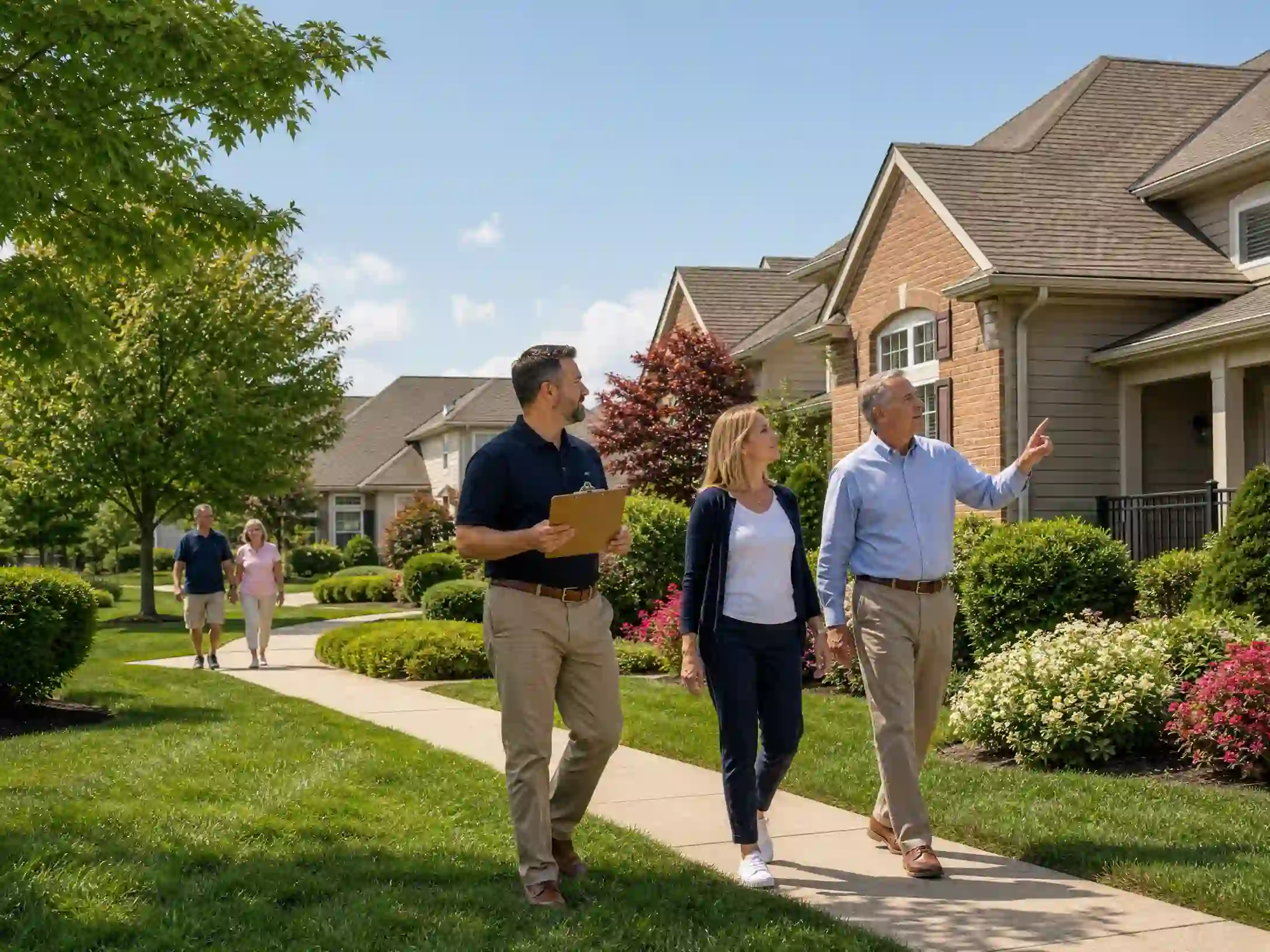
Good Maintenance Starts Long Before Something Breaks
One of the biggest misconceptions about maintenance is that it begins when a problem appears. In reality, the most successful HOA communities focus on preventing issues before they become expensive repairs.
Imagine discovering a small roof leak during a routine inspection. Fixing it might only require a simple repair. If the leak goes unnoticed for months, however, it could damage insulation, ceilings, drywall, or even electrical systems. What started as a relatively inexpensive repair can quickly become a major restoration project.
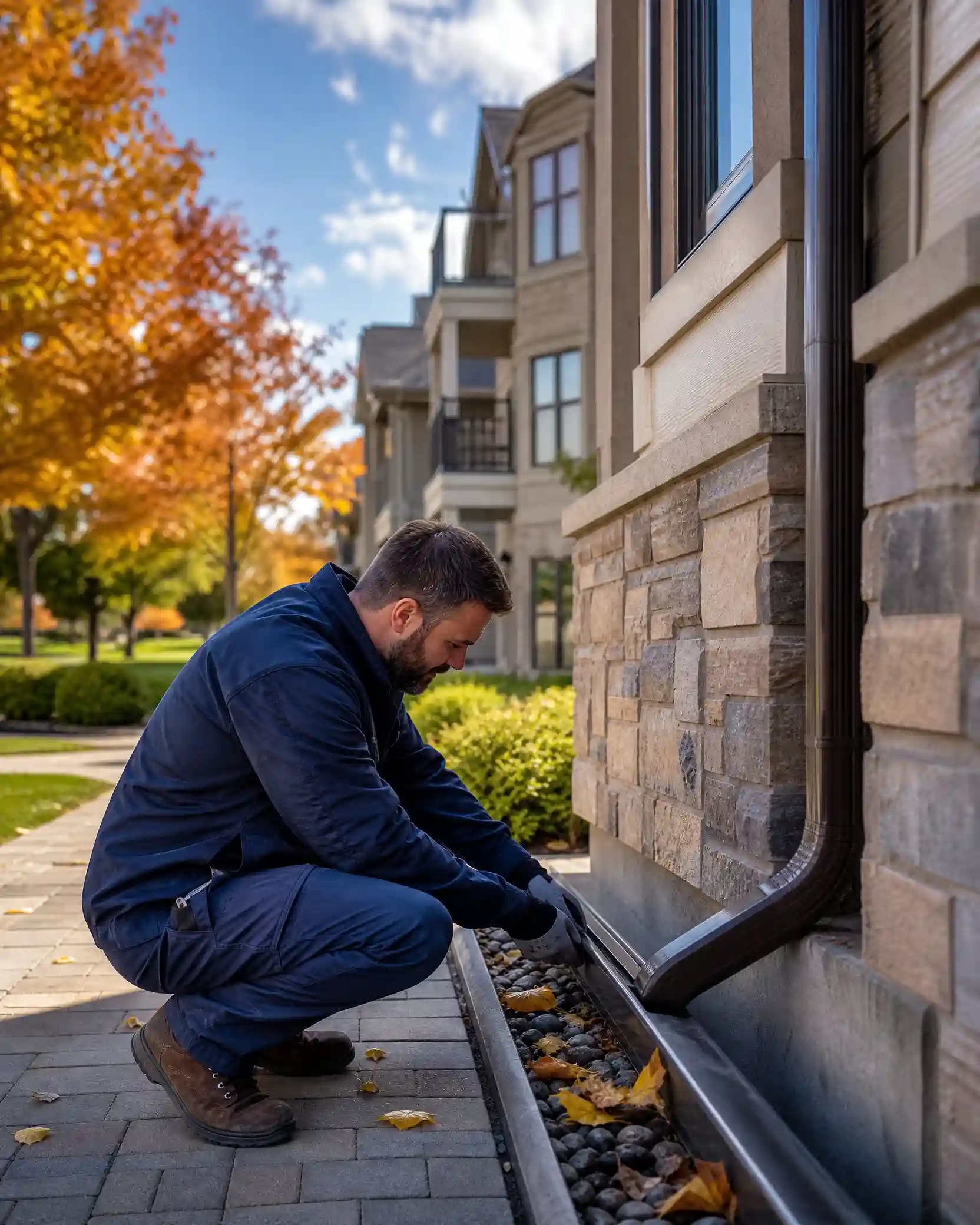
The same principle applies throughout the community. Small cracks in sidewalks grow larger after repeated freeze-thaw cycles. Clogged gutters can lead to water damage around foundations. An irrigation leak can waste thousands of gallons of water before anyone notices.
Preventive maintenance helps HOA boards identify these issues early, reducing repair costs while improving safety and extending the lifespan of community assets.
Build a Maintenance Plan Instead of Reacting to Problems
Communities that consistently stay in excellent condition rarely rely on luck. Instead, they follow a structured maintenance schedule that guides inspections, seasonal work, and long-term improvements throughout the year.
Rather than waiting for residents to report problems, board members and property managers should know exactly when roofs need to be inspected, landscaping should be refreshed, lighting should be checked, and drainage systems should be cleaned.
This approach offers another important benefit: budgeting becomes much easier. When maintenance is planned months in advance, expenses are more predictable, reducing the chance of unexpected emergency costs that strain the association’s finances.
For communities in Michigan, seasonal planning is especially important. Snow, freezing temperatures, spring rains, and summer heat all affect buildings and infrastructure differently. Preparing for each season helps prevent weather-related damage while extending the life of community assets.
Small Repairs Save Big Money
It is natural to prioritize larger projects, but small maintenance issues deserve attention as well. In many cases, they are the warning signs of more significant problems.
A loose handrail may seem minor until someone is injured. A cracked section of pavement can become a liability concern after another Michigan winter. Even a malfunctioning sprinkler head can quietly increase water bills while damaging surrounding landscaping.
Addressing these concerns promptly often costs far less than waiting until the damage spreads. It also helps residents see that the board is actively caring for the community, which builds confidence and trust.
One of the most cost-effective habits an HOA can develop is encouraging both residents and maintenance staff to report concerns as soon as they are noticed. Early communication often prevents expensive surprises.
Strong Vendor Relationships Often Lead to Better Value
Choosing contractors based only on the lowest bid can sometimes create more problems than it solves.
Experienced vendors who regularly work with an HOA become familiar with the property’s unique needs. They understand the layout of the community, know where recurring issues tend to appear, and can often spot developing problems during routine visits.
Long-term partnerships also encourage better communication. Contractors who know the community are more likely to recommend preventive solutions instead of waiting until repairs become urgent.
That does not mean boards should avoid competitive bidding altogether. Comparing proposals remains an important part of responsible financial oversight. However, evaluating experience, reliability, communication, and workmanship alongside price often leads to better long-term value.
Seasonal Maintenance Is One of Michigan's Best Investments
Living in Metro Detroit means every season brings different maintenance priorities.
Winter snow and ice place stress on sidewalks, roofs, and pavement. Spring rains can expose drainage issues that were hidden beneath the snow. Summer heat affects landscaping and irrigation systems, while falling leaves in autumn can clog gutters and storm drains.
Communities that prepare for these seasonal changes usually spend less on emergency repairs because they address potential issues before severe weather has the opportunity to make them worse.
Simple seasonal inspections often reveal loose shingles, damaged tree limbs, blocked drainage systems, or worn pavement that should be repaired before another season arrives.
Planning maintenance around Michigan’s climate helps HOA boards avoid unnecessary expenses while keeping the community attractive throughout the year.
Don't Overlook Utility Costs
Maintenance is not the only place where communities can reduce expenses. Utility bills often represent a significant portion of an HOA’s annual operating budget.
Fortunately, many savings opportunities require relatively modest investments.
Replacing older lighting with energy-efficient LED fixtures can reduce electricity usage while lowering ongoing maintenance because the bulbs last much longer. Smart irrigation controllers can adjust watering schedules based on weather conditions, helping conserve water without sacrificing healthy landscaping.
Even regularly checking for leaks in irrigation systems, outdoor faucets, and common-area plumbing can prevent unnecessary water waste that quietly increases monthly utility bills.
These improvements may seem small individually, but together they can create meaningful savings over the course of a year.
Healthy Reserve Funds Protect Every Homeowner
One of the clearest signs of a financially healthy HOA is a well-managed reserve fund.
Reserve funds help pay for major repairs and replacements, such as roofs, pavement, siding, or community amenities. When these funds are properly maintained, associations are less likely to rely on unexpected special assessments that can place financial strain on homeowners.
Using reserve funds to cover routine maintenance expenses should generally be avoided whenever possible. Instead, annual operating budgets should account for ongoing maintenance while reserve funds remain dedicated to future capital projects.
Regular reserve studies give boards a clearer understanding of when major assets are likely to need replacement, allowing them to plan ahead with greater confidence.
Communication Can Prevent Expensive Problems
Maintenance is everyone’s responsibility, not just the board’s.
Residents are often the first people to notice dripping irrigation heads, broken lights, damaged sidewalks, or fallen tree branches. Encouraging homeowners to report these issues promptly helps prevent minor concerns from becoming larger repairs.
Clear communication also helps residents understand why certain projects are scheduled and how maintenance decisions support the long-term health of the community.
Regular newsletters, email updates, and online resident portals make it easier to keep homeowners informed while strengthening trust between the board and the community.
Professional HOA Management Helps Communities Stay Ahead
Managing maintenance involves much more than scheduling contractors.
Boards must coordinate vendors, review contracts, monitor budgets, prioritize repairs, communicate with residents, and prepare for long-term capital improvements. For volunteer board members, balancing these responsibilities alongside careers and family commitments can be overwhelming.
An experienced HOA management company provides valuable support by helping associations stay organized and proactive. Professional managers coordinate preventive maintenance schedules, oversee vendor relationships, assist with budgeting, and help boards make informed decisions that protect the community’s financial future.
Instead of constantly reacting to emergencies, boards can focus on planning for the future with confidence.
Investing in Maintenance Is Investing in Your Community
Every maintenance decision affects more than just today’s budget. It influences property values, resident satisfaction, community safety, and the association’s long-term financial stability.
Communities throughout Livonia and Metro Detroit face unique challenges created by changing seasons, aging infrastructure, and rising operating costs. While those challenges cannot always be avoided, thoughtful planning can make them much easier to manage.
By focusing on preventive maintenance, responding quickly to small repairs, building strong relationships with trusted contractors, and planning for future expenses, HOA boards can reduce unnecessary costs without sacrificing the quality residents expect.
Over time, these proactive decisions create healthier budgets, stronger communities, and neighborhoods that homeowners are proud to call home.
Frequently Asked Questions
How often should an HOA inspect common areas?
Most communities benefit from seasonal inspections, with additional evaluations after major storms or severe weather events. Regular inspections help identify small issues before they become expensive repairs.
Why is preventive maintenance more cost-effective?
Preventive maintenance allows associations to repair minor problems before they cause widespread damage. This approach often reduces emergency repair costs and extends the lifespan of community assets.
Should HOA boards always choose the lowest contractor bid?
Not necessarily. While competitive pricing is important, boards should also consider a contractor's experience, reputation, communication, quality of work, and long-term value.
How do reserve funds help reduce maintenance costs?
Well-funded reserves allow associations to prepare for major repairs instead of relying on special assessments or emergency borrowing. Long-term financial planning helps communities remain financially stable.
References:
- Community Associations Institute (CAI) – Best practices for community association governance, reserve planning, and maintenance
- Michigan State University Extension – Property maintenance, landscaping, and community planning resources
- Federal Emergency Management Agency (FEMA) – Guidance on reducing property damage from severe weather
- U.S. Environmental Protection Agency (EPA) WaterSense – Water-efficient landscape and irrigation practices